Read Expert Opinion and Curated Research From Our Community
We deliver insights and research analysis that speaks directly to policy processes at the regional, continental, and global levels.
We examine how governance, social and systemic processes integrate or disintegrate climate, peace, and securit; where practitioners and communities perceive gaps; and what opportunities emerge for more coherent, responsive action.
Explore our range of research analysis covering key emerging issues.
ANALYSIS
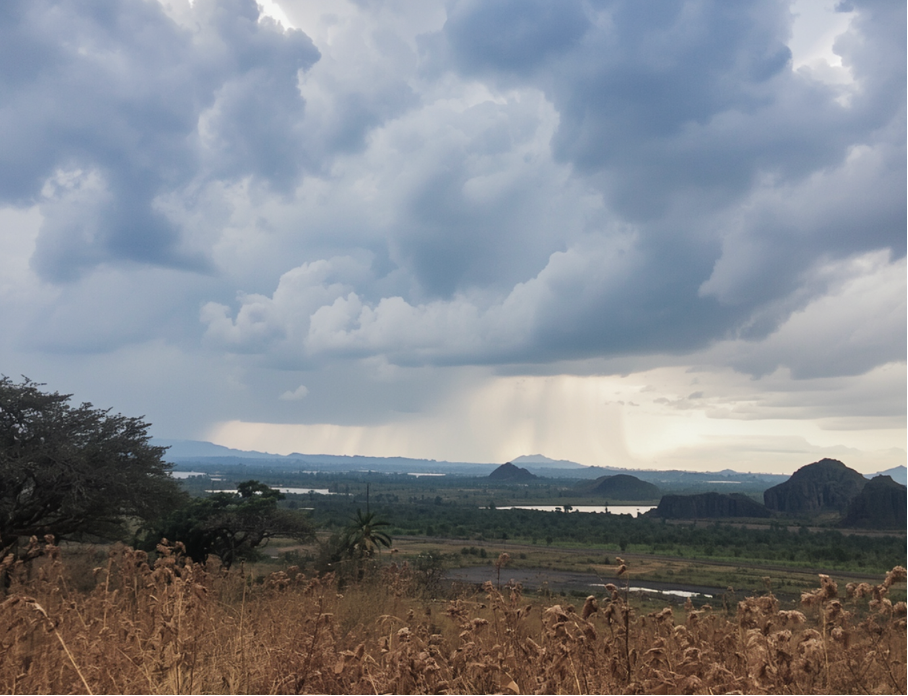
France’s approach to Africa continues to overlook the central role of climate impacts in driving instability, focusing instead on outdated security frameworks. This narrow lens has weakened French influence while other actors fill the vacuum, as the root causes of fragility remain unaddressed. A credible path forward involves a climate‑peace‑security strategy built with African partners, centred on adaptation, resilience, and equal partnerships rather than military reflexes.

ANALYSIS
The research highlights that COP30 delivered symbolic ambition but failed to advance the CPS agenda, marking a sharp decline in political attention and was excluded from negotiation texts, revealing deep institutional and geopolitical barriers.
Outside negotiations, civil society, Indigenous leaders, and new initiatives kept CPS concerns alive, but without formal anchoring in the UNFCCC. The report highlights that CPS remains essential for credible climate governance and outlines pathways to reintegrate it into future COP cycles.
ANALYSIS
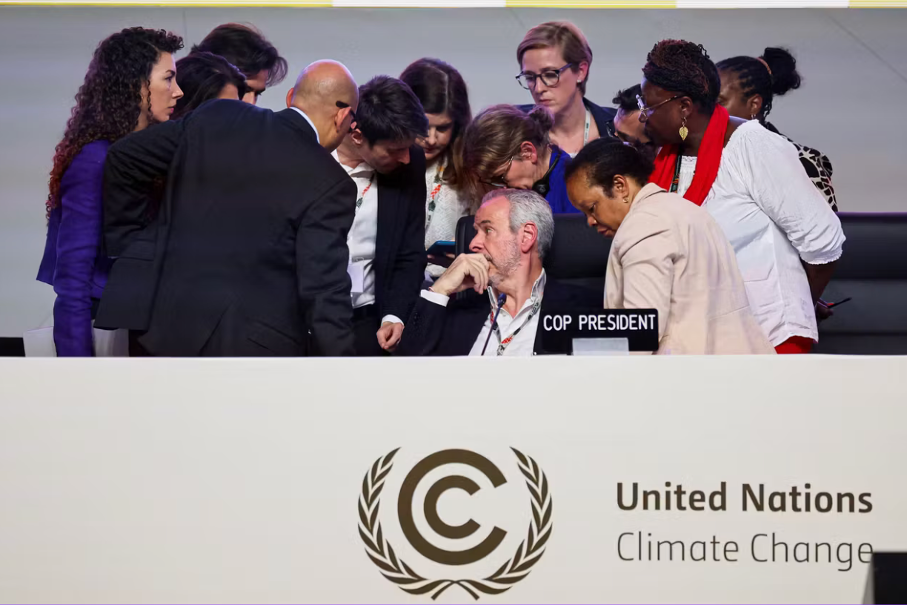
The analytical summary, as part of Skylark Center’s Path to Ottawa session sought to examine how CPS featured during COP30, and identify pathways to strengthen its integration in global climate governance. The event aimed to build momentum for embedding peace and security more firmly within climate action, ensuring that responses to a warming world contribute to stability, cooperation, and resilience rather than exacerbating fragility.
RESEARCH ANALYSIS
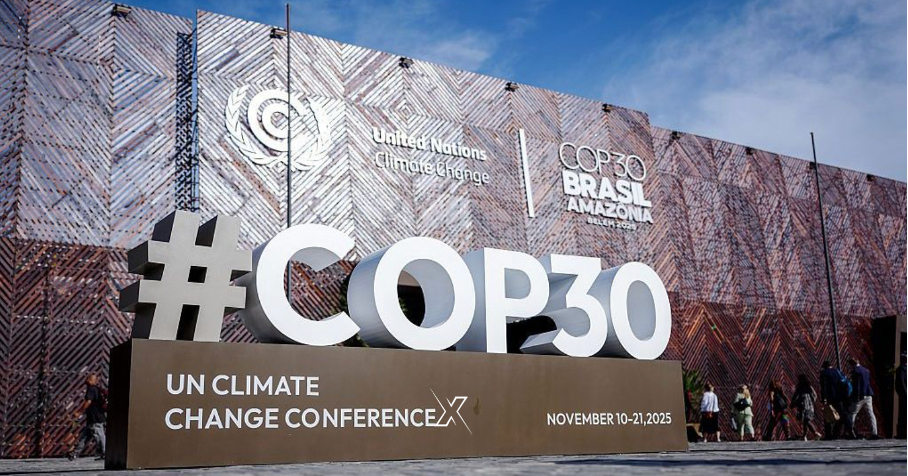
This report examines why climate security remains largely absent from major COP outcomes, and unpacks Brazil’s complex positioning as COP30 host. It identifies five systemic barriers that keep the nexus at the margins, and outlines a practical roadmap to make COP a platform for peace and resilience through both negotiation and non‑negotiation tracks.
The report concludes with concrete recommendations for negotiators, advocates, and decision‑makers seeking to elevate climate security in global climate governance.
INSIGHTS
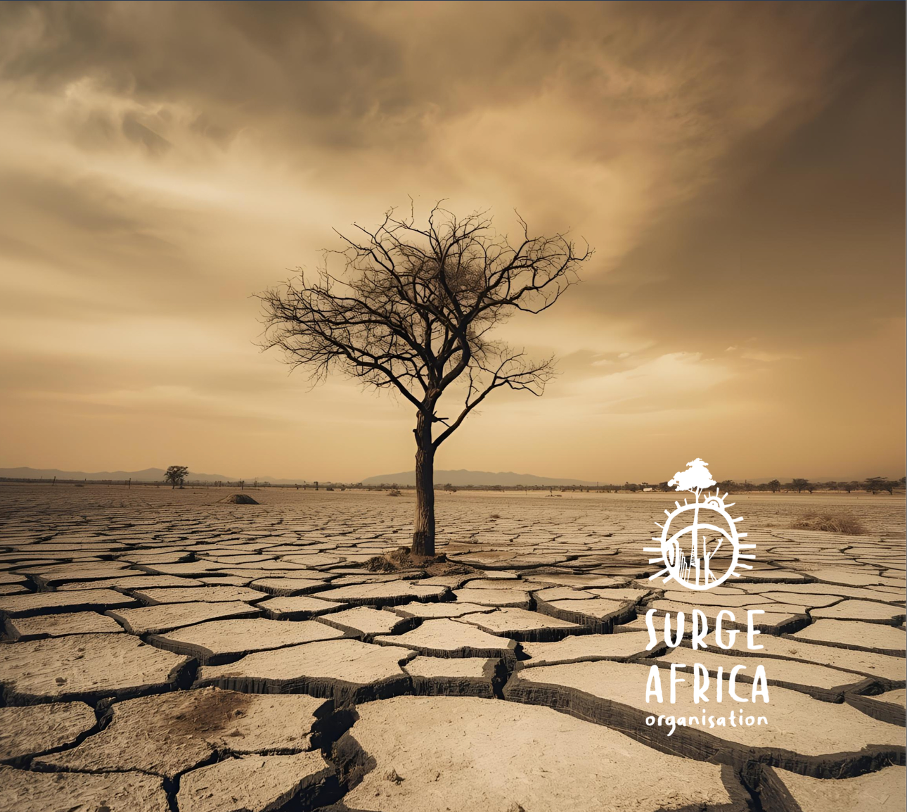
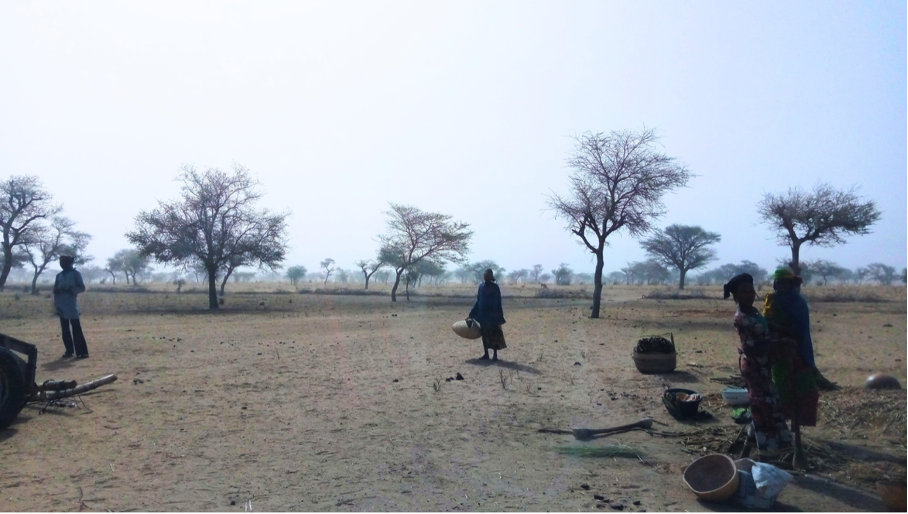
The report provides foundational insights and analysis into the nexus of climate change and conflicts in Nigeria, expanding on the climate crisis and its associated risks to human security in Nigeria and the Sahel Region.
POLICY ANALYSIS
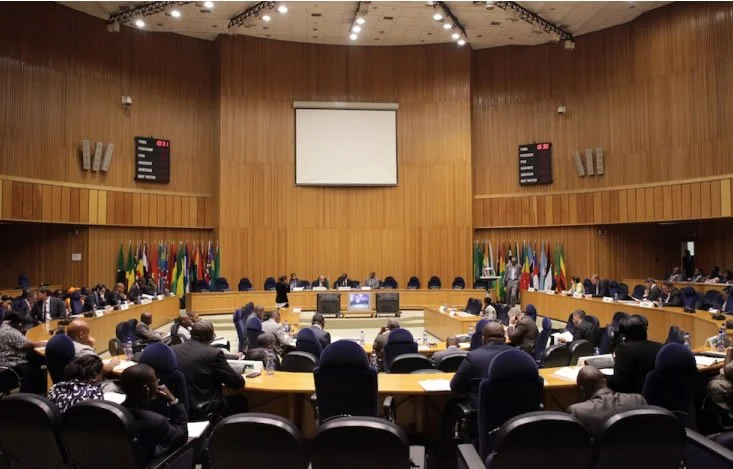
The research shows that the AU’s emerging CAP‑CPS offers Africa’s first coherent continental framework on climate, peace and security, yet its development exposes deep political, institutional and resource constraints. While the CAP consolidates pathways, priorities and a unified African narrative, progress has been slowed by fragmented national interests, sovereignty concerns, under‑resourcing and uneven ownership — revealing a clear gap between continental ambition and the realities of AU policymaking. Still, the CAP‑CPS stands as a strategic milestone: a tool to unify African voices, strengthen global leverage and lay the foundations for future operationalisation if political commitment and implementation capacity can be secured.
The African Union Common African Position on Climate, Peace and Security: A Giant Idea with Feet of Clay
POLICY ANALYSIS
POLICY ANALYSIS
The research shows that African plans increasingly reference CPS risks, but integration remains highly uneven, revealing deep political and institutional barriers. While some countries embed CPS proactively or reactively, many high‑vulnerability states still under‑prioritise it, exposing a clear mismatch between risk levels and policy ambition, as well as between diagnosing CPS pressures and operational measures. Yet, the study highlights that NAPs and NDCs remain essential tools for embedding CPS into national climate governance and outlines concrete pathways to strengthen their role in future planning cycles.